Surface Preparation
The foundation of every successful asphalt overlay
What Is Surface Preparation?
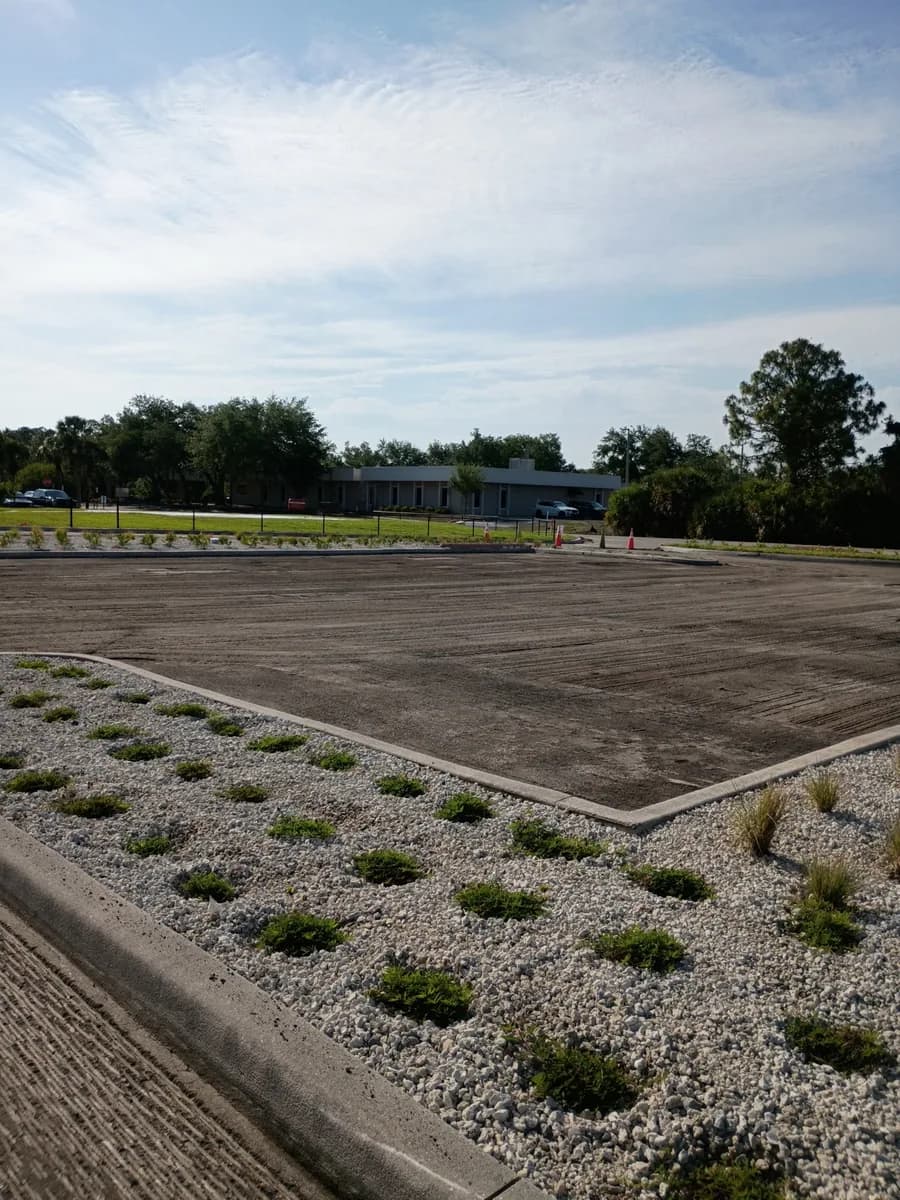
Surface preparation encompasses all the work performed on an existing pavement surface before a new asphalt overlay is placed. It includes milling, patching, cleaning, tack coat application, and grade verification — every step required to ensure the new overlay bonds properly and performs as designed.
Proper surface preparation is the single most important factor in overlay longevity. A new overlay placed on a poorly prepared surface will fail prematurely — debonding, cracking, and delaminating within the first few years. Conversely, thorough preparation ensures the overlay achieves its full design life.
Surface preparation is not a single operation but a sequence of coordinated activities. Each step builds on the previous one, and skipping any step compromises the final result. The specific sequence depends on existing conditions and the overlay design.
When Is Surface Preparation Needed?
- Before any asphalt overlay — surface prep is always required, never optional
- When existing surface has localized failures that must be repaired before overlay
- When grade correction is needed to improve drainage under the new surface
- When curb reveal must be maintained through milling before overlay
- When existing surface has oil stains, debris, or contamination that would prevent bonding
- When transitions to adjacent surfaces must be smooth and properly graded
- When utility structures need adjustment to match the new surface elevation
How Does Surface Preparation Work?
Condition Assessment
The existing surface is evaluated to identify areas needing repair, milling requirements, and any obstacles that must be addressed before overlay.
Localized Repairs
Failed areas are saw-cut and removed. Full-depth patches are placed and compacted to match the surrounding surface elevation.
Milling (if required)
Areas requiring grade correction or curb reveal maintenance are milled to specified depth. Transitions are milled for smooth grade changes.
Cleaning
The entire surface is swept clean of loose material, dust, and debris. Compressed air may be used around structures and edges.
Tack Coat Application
An asphalt emulsion tack coat is applied uniformly across the prepared surface. This creates the adhesive bond between old and new asphalt.
Final Verification
Grade, drainage, and surface condition are verified immediately before paving begins. Any remaining issues are addressed.
Benefits of Proper Surface Preparation
Limitations to Consider
Common Misconceptions
Myth: "You can skip surface prep if the existing pavement looks okay"
Reality: Even pavement that appears sound may have oxidation, micro-cracking, or contamination that prevents proper bonding. Tack coat is always required. Cleaning is always required. There are no shortcuts.
Myth: "Tack coat is optional"
Reality: Tack coat is the adhesive that bonds the overlay to the existing surface. Without it, the overlay is essentially floating on top of the old pavement and will eventually delaminate — especially under heavy traffic.
Myth: "More tack coat is better"
Reality: Excessive tack coat creates a slip plane between layers. The correct application rate creates a thin, uniform film that bonds without creating a lubricated interface. Application rate is specified, not arbitrary.
Myth: "Patching can wait until after the overlay"
Reality: Localized failures must be repaired before overlay. If you pave over a failed area, the failure will reflect through the new surface within one to two seasons. Repair first, then overlay.
Typical Commercial Applications
What Information Is Needed Before Requesting an Estimate?
Frequently Asked Questions
How long does surface preparation take?
Timeline depends on the extent of repairs needed. A straightforward mill-and-tack preparation can be completed in 1–2 days for a typical parking lot. Projects requiring extensive patching may take 3–5 days.
Who is responsible for surface prep — the milling contractor or the paving contractor?
This varies by project. On our mill-and-overlay projects, we handle the complete scope. When working as a milling subcontractor, we coordinate with the paving contractor on tack coat timing and handoff.
Can you do surface prep without milling?
Yes. If curb reveal is adequate and grade correction isn't needed, preparation may consist of patching, cleaning, and tack coat only. The scope depends on existing conditions and project requirements.
What if you find problems during preparation?
We document and communicate any unexpected conditions immediately. Additional repairs are discussed with the property manager or general contractor before proceeding. No surprises.
Ready to discuss your surface preparation project?
Get a detailed estimate for your milling project. We respond within one business day.